Know your organ-meridian system in 10 minutes
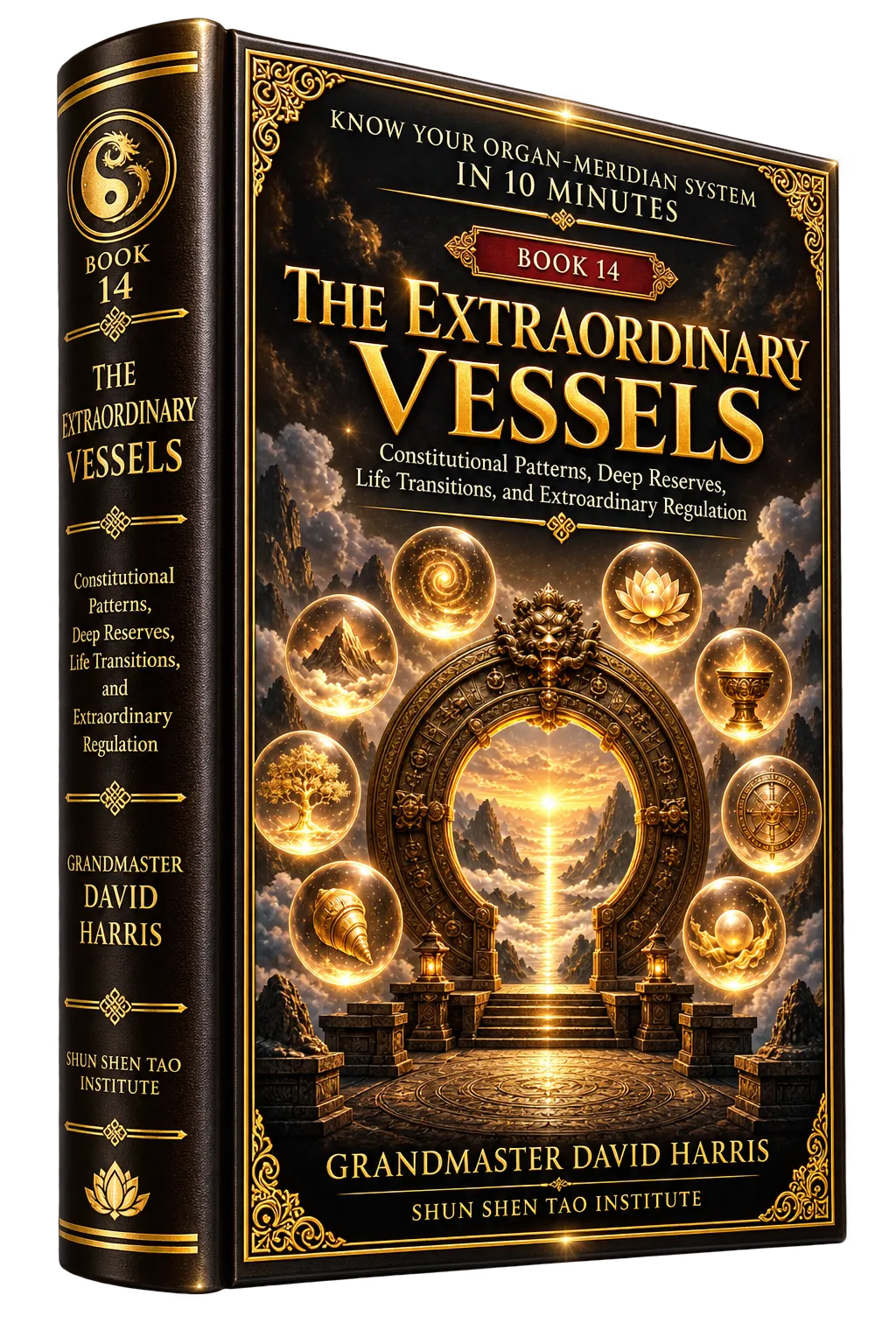
The Extraordinary Vessels in 10 Minutes
Explore the eight Extraordinary Vessels and discover how they traditionally organize deep reserves, constitutional patterns, structure, movement, Blood, reproduction, sleep, and adaptation through life’s major transitions.
$9.95
About This Book
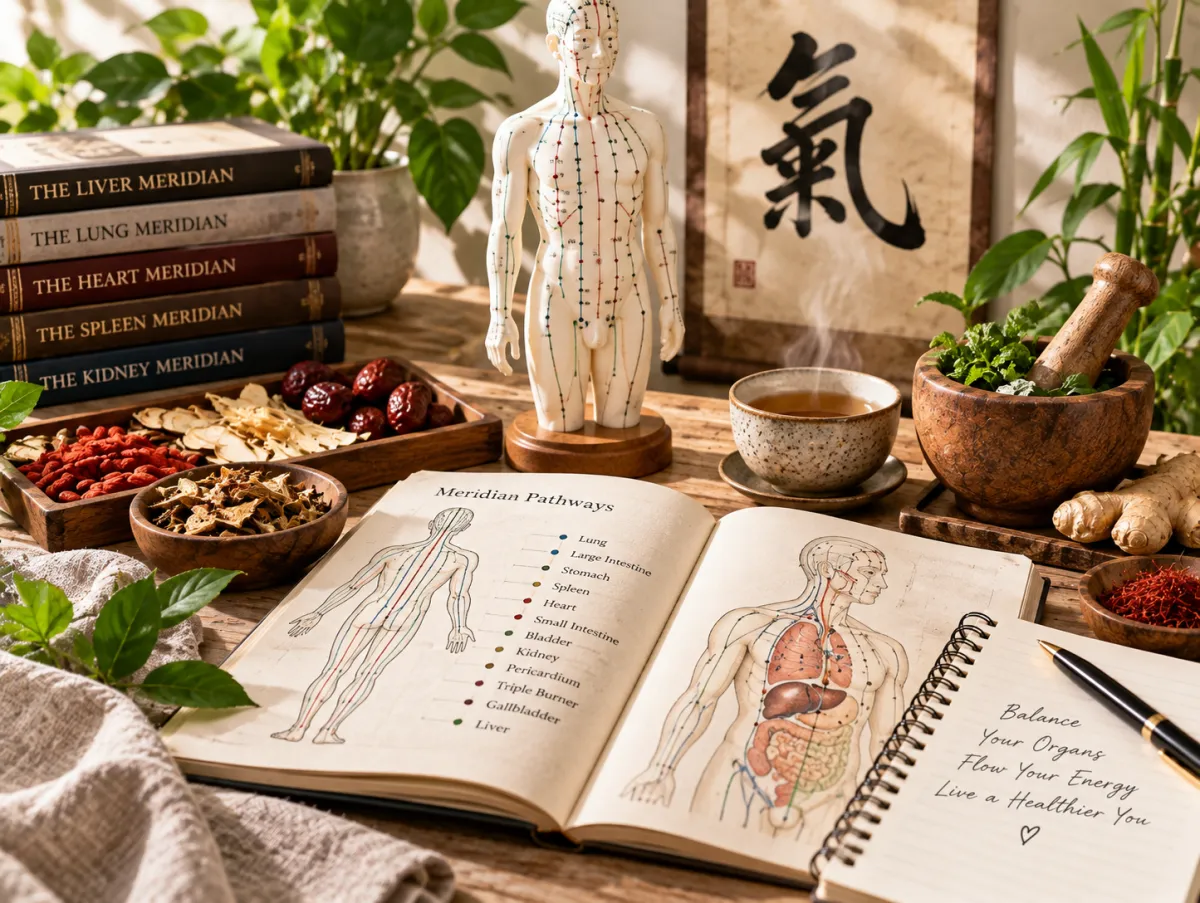
The Extraordinary Vessels offer a deeper layer of traditional pattern understanding. Rather than focusing on a single organ or primary meridian, these eight classical networks help organize broader relationships involving constitution, reserves, structure, development, movement, Blood, reproduction, sleep, and whole-system adaptation.
The Extraordinary Vessels in 10 Minutes introduces the Du Mai, Ren Mai, Chong Mai, Dai Mai, Yin Qiao Mai, Yang Qiao Mai, Yin Wei Mai, and Yang Wei Mai in a clear and practical framework.
You’ll learn how these vessels can help organize recurring patterns, major life transitions, inward and outward balance, nourishment, containment, transformation, and the body’s capacity to adapt over time.
About This Book
The Extraordinary Vessels offer a deeper layer of traditional pattern understanding. Rather than focusing on a single organ or primary meridian, these eight classical networks help organize broader relationships involving constitution, reserves, structure, development, movement, Blood, reproduction, sleep, and whole-system adaptation.
The Extraordinary Vessels in 10 Minutes introduces the Du Mai, Ren Mai, Chong Mai, Dai Mai, Yin Qiao Mai, Yang Qiao Mai, Yin Wei Mai, and Yang Wei Mai in a clear and practical framework.
You’ll learn how these vessels can help organize recurring patterns, major life transitions, inward and outward balance, nourishment, containment, transformation, and the body’s capacity to adapt over time.
Inside This Book You'll Discover
The core jurisdictions of all eight Extraordinary Vessels
Du, Ren, Chong, and Dai as four foundational vessels
Yin and Yang Qiao relationships with movement, settling, and activity
Yin and Yang Wei relationships with continuity and adaptation
Jing, constitutional inheritance, and deep reserves
Growth, reproduction, Blood, and major life transitions
Structure, posture, sleep, waking, and whole-system regulation
A practical framework for observation and personal support
Who This Book Is For
This book is for anyone ready to explore the deeper organizing relationships within traditional organ-meridian theory.
Students exploring the Extraordinary Vessels
Wellness-minded readers interested in constitutional patterns
Martial artists studying structure, movement, and adaptation
Bodyworkers and coaches seeking a deeper reference
Energy-work practitioners exploring traditional relationships
Experienced students expanding beyond the primary meridians
Why Readers Love This Book
The Extraordinary Vessels can seem complex because their traditional relationships extend across so many areas—from sleep and movement to Blood, reproduction, structure, reserves, and major life transitions. This book organizes those relationships into an approachable framework.
Readers learn to look beyond isolated symptoms and instead consider constitution, reserves, structure, transitions, and repetition as five important lenses for recognizing deeper patterns.
Through Shun Shen Tao Theory, the emphasis remains on observing the whole person, comparing possibilities, respecting ordinary explanations, and using repeated evidence rather than forcing one symptom into one vessel.
Product Details
Title: The Extraordinary Vessels in 10 Minutes
Author: Grandmaster David Harris
Series: Know Your Organ-Merdian System in 10 Minutes
Book: 14 of 17
Format: Digital eBook (PDF)
Publisher: Shun Shen Tao Institute
Educational Disclaimer
This book is intended as an educational introduction to traditional pattern language and Shun Shen Tao Theory. It does not diagnose, treat, prescribe, or replace medical, mental-health, nutritional, or licensed acupuncture care. Traditional concepts are presented as historical and functional frameworks and should not be mistaken for modern anatomical structures or guaranteed biological mechanisms. Practical suggestions are general wellness supports and should be adapted to the individual. Seek qualified care for urgent, severe, persistent, unexplained, or worsening concerns.
Instant Digital Download
Get access to the digital edition and explore the Extraordinary Vessels at your own pace. Study their relationships with constitution, deep reserves, Blood, reproduction, structure, sleep, movement, life transitions, and adaptation, with practical reference tools you can return to whenever needed.
Ready to Explore the Extraordinary Vessels?
Discover how the Du, Ren, Chong, Dai, Qiao, and Wei vessels create a deeper traditional framework for understanding reserves, structure, movement, transformation, containment, and adaptation.